
Discover Mompox
Santa Cruz de Mompox, beyond the postcard
A researched guide to the river town: its urban history, architecture, crafts, churches, food and living traditions.
Mompox grew along the Magdalena River as a strategic port connecting the Caribbean with the interior of New Granada. Its relative isolation after the nineteenth-century decline of river traffic helped preserve an unusually coherent historic centre.
The pages below use institutional, academic and cultural sources instead of invented legends. Where evidence is uncertain, the text says so.
Historic centre
Walk through a UNESCO World Heritage town shaped by the Magdalena River, colonial streets, plazas and centuries of urban history.
Read history and photos
Colonial architecture
Discover patios, arcades, shop-houses, churches and buildings adapted to the warm climate of Colombia's Caribbean interior.
Read history and photos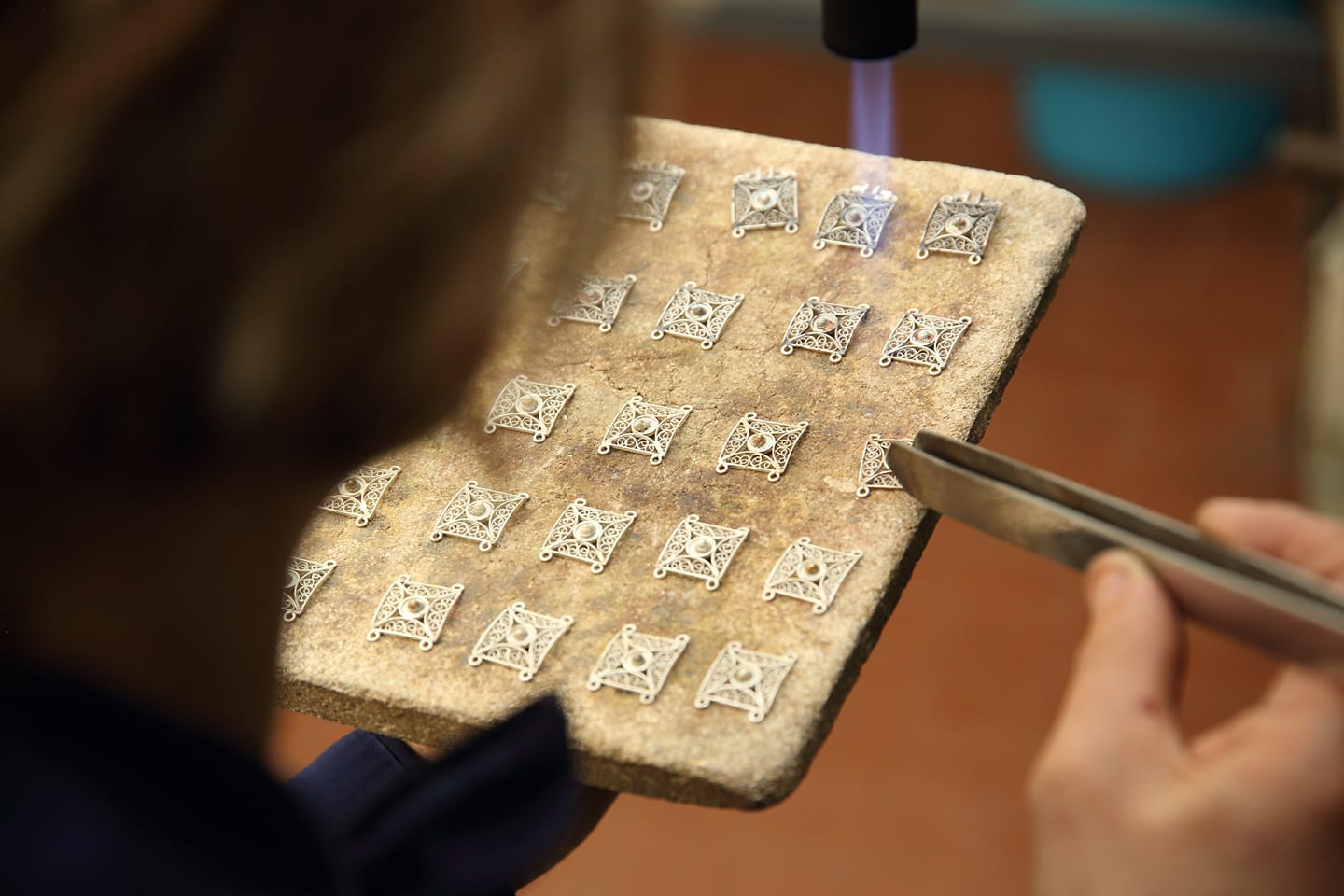
Mompox filigree
Learn how goldsmithing and river trade helped turn delicate filigree work into one of the town's best-known crafts.
Read history and photos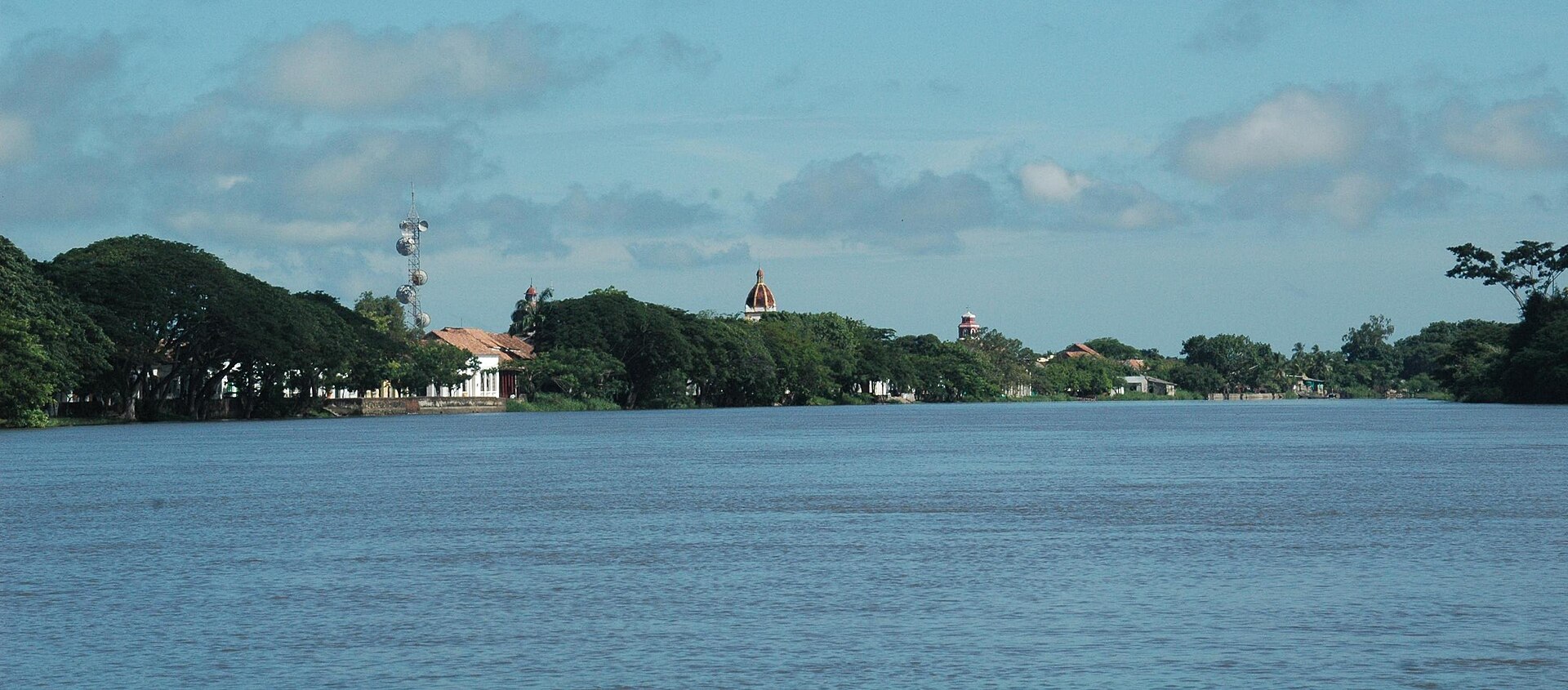
The Magdalena River
Understand the river that created Mompox's prosperity, shaped La Albarrada and later changed the town's economic destiny.
Read history and photos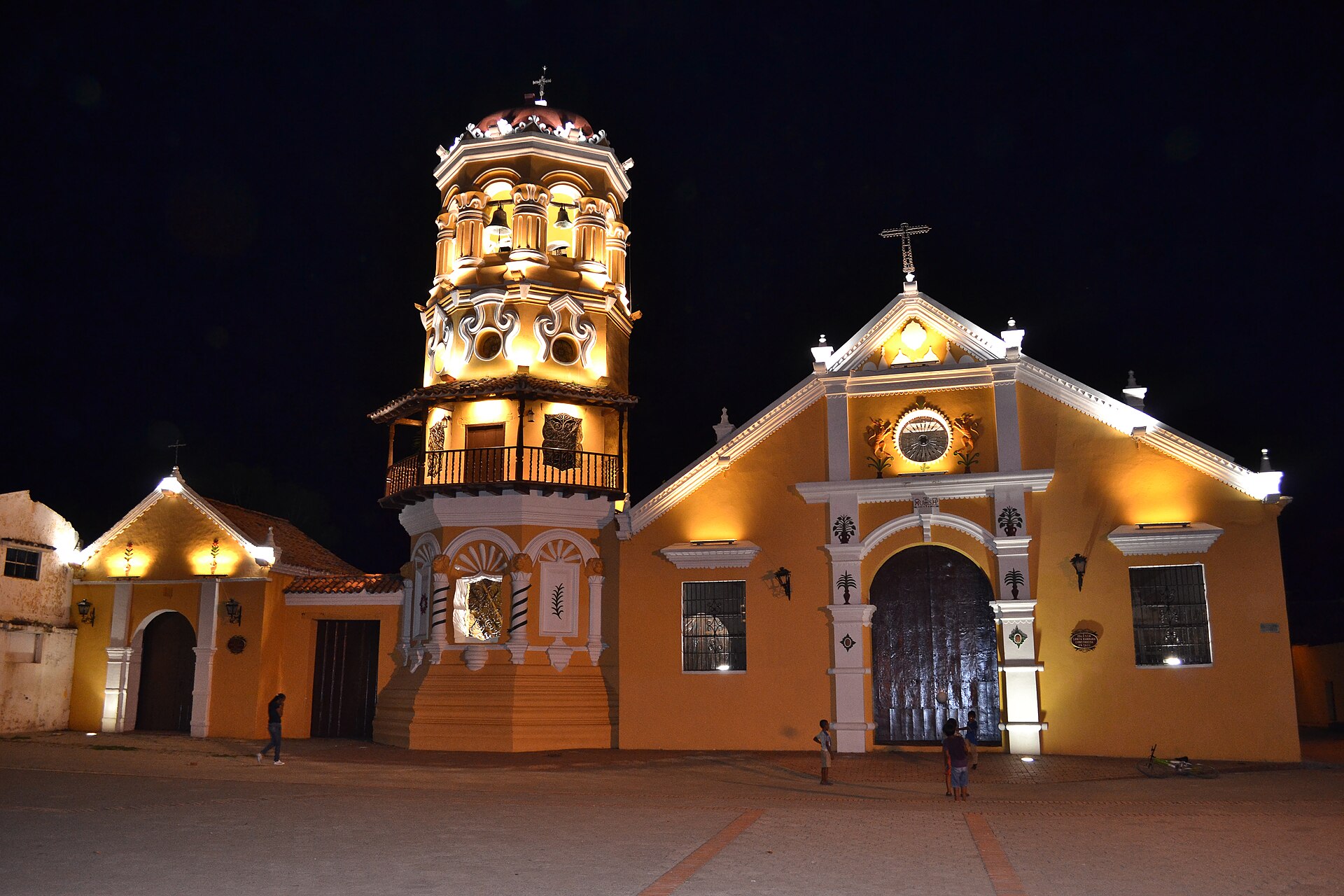
Churches
Explore the religious buildings that organise much of Mompox's historic landscape and remain central to local traditions.
Read history and photos
Food
Taste a cuisine linked to the river and surrounding savannas, including queso de capa, cassava preparations, sweets and local products.
Read history and photos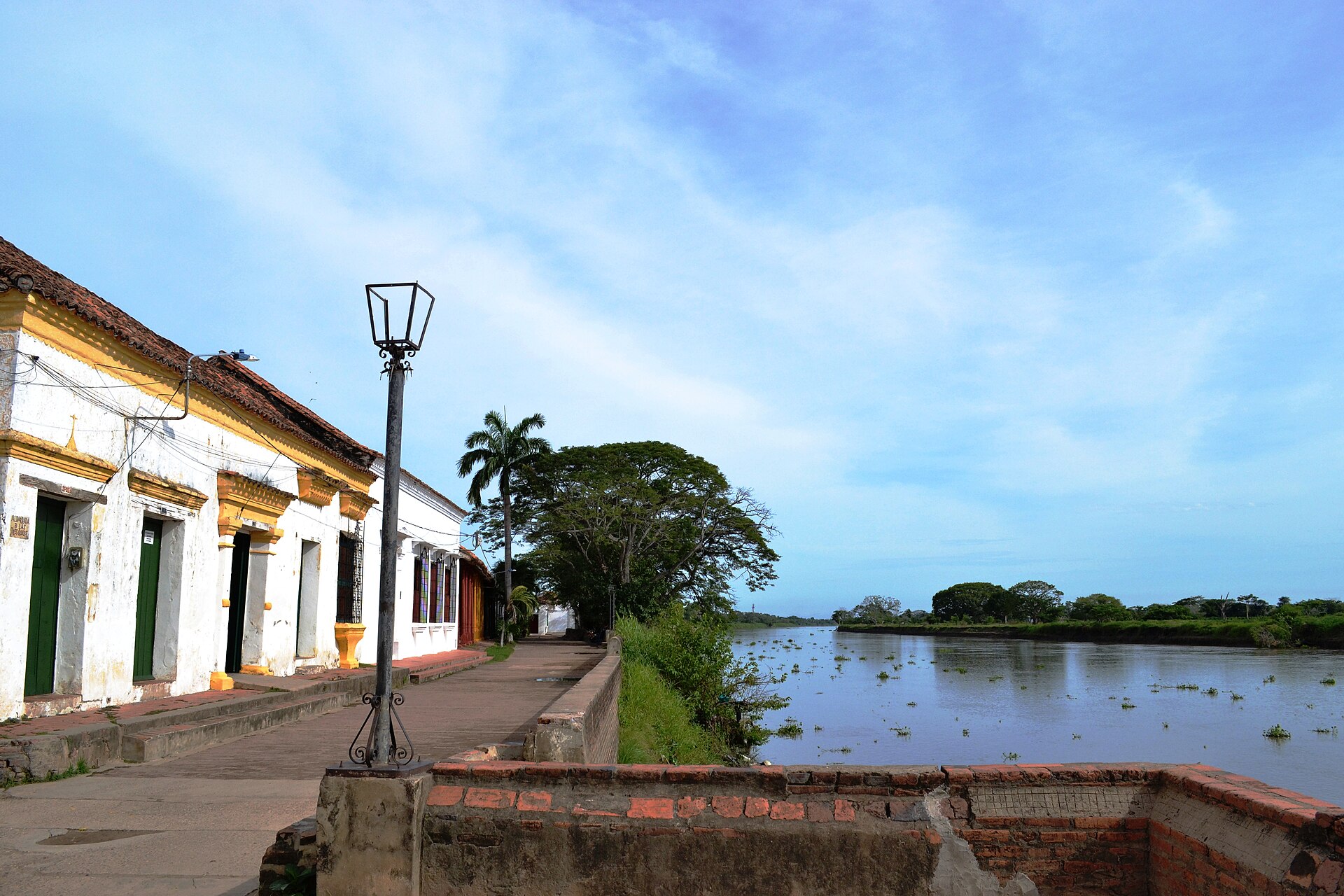
Sunsets and La Albarrada
See the riverside landscape at the end of the day while learning why La Albarrada was historically much more than a promenade.
Read history and photos
Culture and events
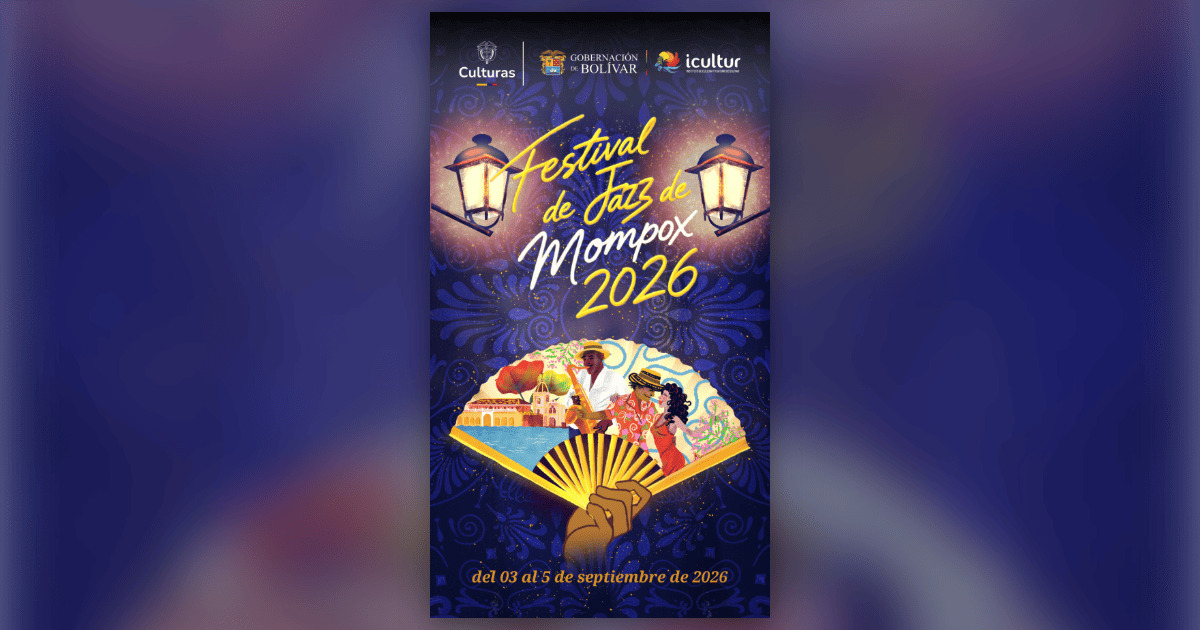
From centuries-old Holy Week traditions to the Mompox Jazz Festival, the town continues to produce living culture.
Read history and photos